 The Waterlily Bear
The WaterlilyBear's Quick Mini-Pond Maintenance Tips
Aug/24/2026
Easy Water Garden Maintenance Suggestions
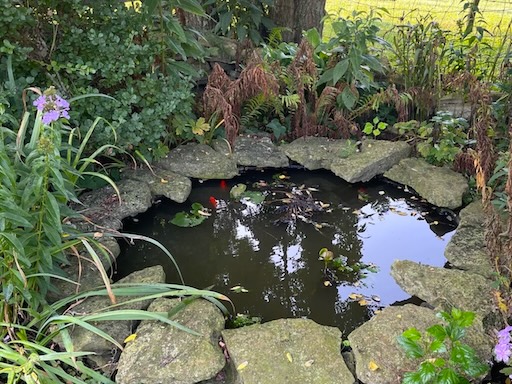
A thriving, well-maintained mini-pond needn't demand hours of your weekend - Just a few consistent, simple habits. Spend 5 or 10 minutes a couple of times a week checking on your plants, water quality, critters and equipment, and you'll head off small problems before they become big ones. Here's what The Waterlily Bear keeps an eye on:
- Deadhead spent flowers
- Inspect lilypads for pests and disease
- Ensure waterlily crowns are clear of obstruction and not buried in sediment
- Assess water quality and flush if needed
- Balance fish or snail populations
- Possibly adjust pond location for optimal sun exposure
- Gently fertilize only if warranted
- Clean pump intake, hoses or nozzles or submersible lighting
Trim Faded Blooms to Encourage Reflowering
Once a waterlily bloom fades and starts to collapse (usually after it's 4th day,) pinch off or snip the flower stem down an inch or two from the crown rather than letting it rot in place. This redirects the plant's energy into producing new flowers instead of seed pods. It also keeps decaying organic matter from fouling your water. Don't pinch too close to the crown, your snails will love cleaning up the leftovers as they decompose.Check Leaves and Pads for Early Signs of Trouble
Take a slow look at the top and underside of each pad for aphids, chewed edges, or dark spotting that could signal fungal or disease issues. Catching a small aphid infestation early means you can usually just rinse pads off with a strong spray of water instead of reaching for treatments. Remove any yellowing pads or marginal plant foliage as soon as it begins to detract from your pond aesthetic. They're never going to turn a lush dark green again.Keep Growing Points Free of Muck and Debris
Blobs of string algae, debris or settling sediment can bury a plant's crown over time, choking off new growth. Gently brush away buildup and check that the growing point sits at the correct depth, since a smothered crown is one of the most common reasons a waterlily stalls out or dies.Monitor Clarity and Do Small Water Changes
Cloudy water, a soapy wet feel, an odd smell, or a sudden algae bloom are all signs it's time to test and act. A partial water change — swapping out a portion rather than the whole volume — resets water chemistry without shocking plants or fish.Keep Aquatic Critters in Healthy Proportion
Too many fish or snails for a small container can overload the water with waste faster than plants can process it. Keep populations modest and appropriate to your pond's size so the ecosystem stays in equilibrium. Lily pad damage before the emerging pads have even reached the surface is a sign of excess snails.Track Sunlight Patterns Throughout the Season
Waterlilies generally want five to six hours of direct sun at a minimum to bloom well, so if flowering slows down, take note of shifting shade from nearby trees or structures across the season. A container water garden pond has the advantage of being quite movable, so don't hesitate to relocate it a few feet if the available light isn't cooperating. Seasonal changes in the sun's angle can be quite significant over the growing season.Fertilize Sparingly for Steady, Healthy Growth
If flowering stalls, growth looks sluggish or leaves are pale, a light dose of aquatic plant fertilizer tabs or sticks tucked around the root zone can help. Go easy and infrequent, though, since over-fertilizing invites algae blooms rather than healthier plants. Over-fertilization manifests as deformed lilypads and flower buds.Maintaining Pumps, Tubing and Lighting Fixtures
Leaves, algae, and debris love to clog pump intakes and slow water flow, so a quick check keeps circulation and any lighting running as intended. Some mini pond pumps have removable intake covers and magnetic impellers that are easy to clean. A soft brush and a rinse are usually all it takes to restore full function. Spray fountainheads are susceptible to calcification and mineral buildup - a short soak in vinegar can clear clogged nozzles. Underwater lights may also appreciate a quick wipe of the lens cover.None of this requires a major time commitment - just a few focused minutes, twice a week at most - is enough to keep your mini-pond sparkling. Stay on top of these small water gardening chores and your little water garden will reward you with a full season of tranquility, beauty, and enjoyment. See The Waterlily Bear's Small Pond FAQ page for additional answers to common pond questions.